

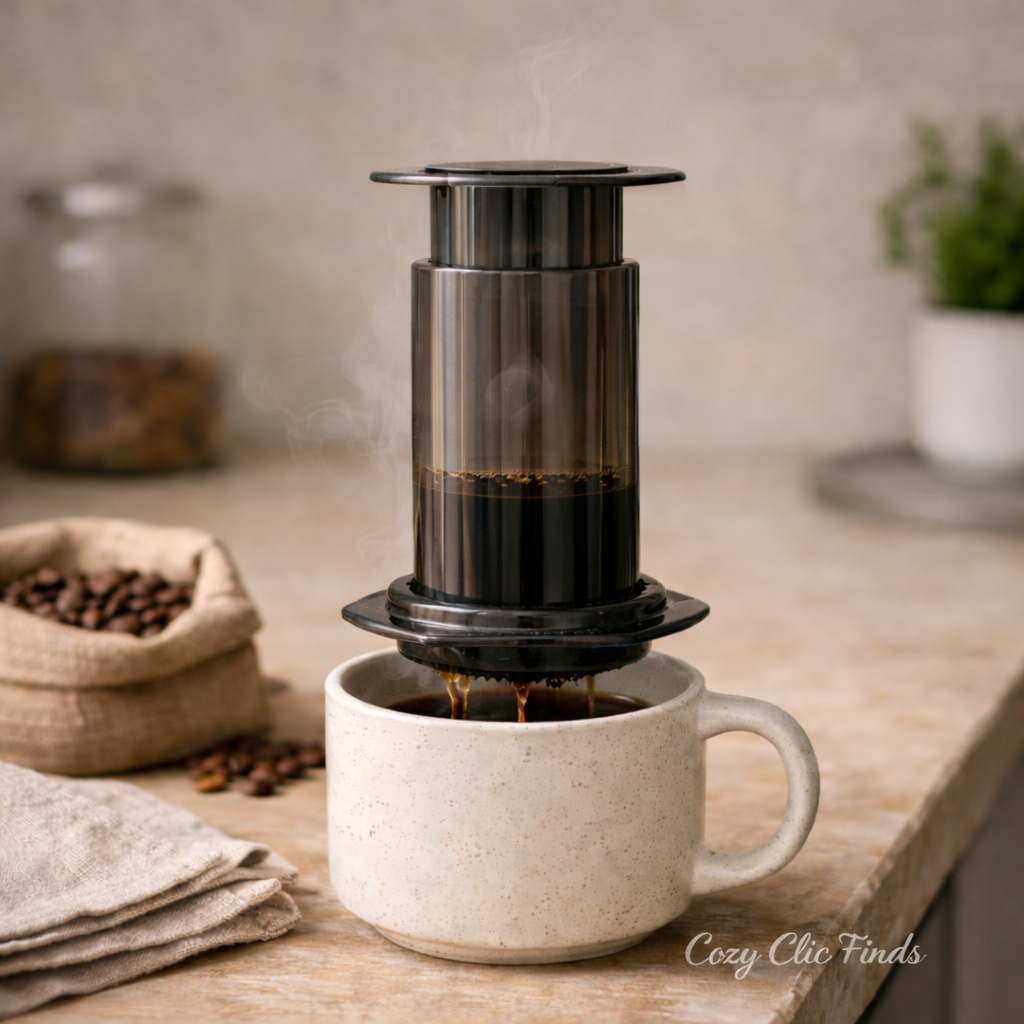
Why Freshly Roasted Coffee Changes Everything About Your Morning Cup
If you’ve ever noticed that coffee from a favorite café tastes smoother or more flavorful than what you make at home, the difference often isn’t the machine — it’s the freshness of the coffee itself.
Freshly roasted coffee can completely change your daily cup. Once you understand how timing, storage, and brewing work together, you’ll see that better coffee doesn’t require complicated equipment — just better beans and a simple routine.
Coffee Is a Fresh Food
Coffee beans may look shelf-stable, but they behave more like fresh bread than pantry items. After roasting, they begin to release gases, lose moisture, and slowly change in flavor.
Freshly roasted coffee tastes best within a few weeks of roasting, when the aromatic compounds that create notes like chocolate, nuts, or fruit are still intact. Over time, those flavors fade, leaving behind a flatter taste.
Why Freshness Matters So Much
During roasting, hundreds of reactions inside each bean create the flavors we enjoy. But those compounds are delicate and gradually break down when exposed to air, light, and time.
As coffee ages:
- Natural oils oxidize, reducing sweetness
- Aromas fade, making coffee smell less vibrant
- Flavor becomes dull or slightly bitter
- The cup loses balance and complexity
That’s why fresher coffee often tastes smoother and more enjoyable without changing anything else in your brewing process.
What You’ll Notice in Your Cup
Switching to fresher coffee can improve several things at once:
- A richer, more balanced flavor
- Less bitterness and harshness
- Stronger aroma while brewing
- A cleaner finish after each sip
- More consistency day to day
Many people assume these improvements require expensive equipment, but freshness alone can make a noticeable difference.
Why Store-Bought Coffee Tastes Different
Large-scale coffee is designed for long shelf life, not peak flavor. Beans may be roasted months before they reach the store, which means much of their character has already faded by the time you brew them.
Specialty coffee, on the other hand, is typically shipped closer to its roast date, allowing you to experience the flavors as they were intended.
Simple Brewing Lets Fresh Coffee Shine
You don’t need complicated gear to enjoy freshly roasted coffee. In fact, simple brewing methods often highlight freshness best because they allow the natural character of the beans to come through.
Manual brewing tools are popular because they’re easy to use, quick to clean, and don’t require large machines. Paired with fresh beans, they can produce a smooth, full-bodied cup with minimal effort.
How to Keep Coffee Fresh at Home
Once you start using fresher beans, a few small habits help preserve that quality:
- Store coffee in an airtight container
- Keep it away from heat and sunlight
- Buy smaller amounts more often
- Grind just before brewing when possible
- Avoid refrigerating beans, which can add moisture
These simple steps help maintain the flavors you paid for.
Exploring Coffee Becomes More Enjoyable
Fresh coffee also makes it easier to notice differences between roasts and origins. Instead of tasting like “just coffee,” each bag can bring its own character — from bright and lively to deep and chocolatey.
That’s part of what makes improving your coffee routine feel rewarding rather than complicated.
A Small Change That Makes a Big Difference
Great coffee isn’t about complexity — it’s about starting with quality and brewing it simply. Choosing freshly roasted coffee is one of the easiest ways to improve how your daily cup tastes without adding extra steps to your morning.
With the right beans and a straightforward brewing method, making better coffee at home becomes both easy and enjoyable.
As an affiliate, I may earn from qualifying purchases at no additional cost to you.